Small Bets, Real Signal: A Founder's Playbook for $500 Channel Tests
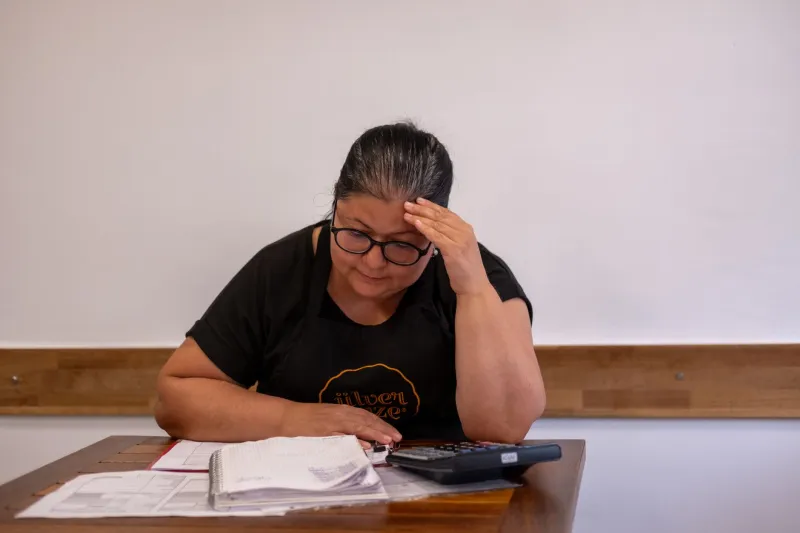
Most founders don't need a bigger marketing budget. They need a cheaper way to be wrong.
That's the idea behind the $500 experiment rule: when you want to test a new acquisition channel, cap the first bet at $500, define what a win looks like before you spend a dollar, and put a 30-day expiration date on the whole thing. Not because $500 buys a miracle, but because it buys enough signal to make a smarter second decision.
Treat the test like a tiny capital allocation. You are not launching a campaign. You are buying evidence.
Why $500 Is the Right Size for a First Date
A $500 test is small enough that a bad outcome doesn't touch payroll, rent, or your ability to sleep. It is large enough to buy real distribution in most US local markets: a few thousand postcards, a table at a chamber event, a month in a niche newsletter, or a small trade-association placement.
The number matters less than the constraint. Pick a fixed amount you can lose without a meeting. Then refuse to move the goalposts. If you cannot describe what $500 buys, the channel is probably too vague to test.
Choose One Channel With a Paper Trail
Avoid anything that only produces vibes. You want a channel where you can count something: responses, booked calls, estimate requests, trial signups, or code-redemption visits.
Strong first tests for small US businesses include:
- A direct-mail piece to 1,000 tightly defined households in one ZIP code.
- A local event sponsorship with a booth, a speaker slot, or a tracked offer.
- A placement in a niche industry newsletter your buyers actually read.
- A trade-association ad or sponsored section with a dedicated landing page.
One channel. One offer. One audience. If you bundle three channels into one test, you will not know what worked.
Write the Bet in One Sentence
Before spending, complete this sentence:
We will spend $500 on [channel] targeting [specific audience] over the next 30 days, and we will judge it by [one primary metric]. We will stop if [threshold] and scale if [threshold].
Example: We will spend $500 on a postcard to 1,000 homeowners in two ZIP codes over the next 30 days, and we will judge it by booked estimates. We will stop if we get fewer than 6 booked estimates and scale if we get 12 or more.
That sentence is the whole experiment. If you cannot fill it in, you are not ready to spend.
Put a 30-Day Clock on It
Thirty days is long enough for most local channels to produce a readable signal and short enough to prevent a zombie campaign. Put the decision date on the calendar before launch.
During the test, check three numbers weekly: spend, qualified responses, and owner or team time. That last one matters. A channel that produces cheap leads but eats eight hours of your week is not cheap.
Do not extend the test because you feel like it needs more time. Extend only if the channel has a known lag and you wrote that lag into the original plan.
Judge It on Revenue Quality, Not Just Leads
A lead is not a customer. Count the full path: response, qualified conversation, proposal, sale, and gross margin. For a local service business, a useful scorecard looks like this:
- Cost per qualified conversation
- Cost per booked job or signed customer
- Gross profit from the test
- Hours of owner time consumed
- Whether the customer segment is one you want more of
A $500 test that produces two great customers can be a win. A $500 test that produces 40 low-quality leads and a migraine is not.
Day 31: Stop, Scale, or Adjust Once
On decision day, choose one of three moves.
Stop if the cost per qualified conversation is higher than your normal sales math can tolerate. Write a short memo: what you spent, what happened, and what you learned. That memo is the asset.
Scale if the test beat your threshold and the customers look like your best customers. Increase to $1,000 or $1,500, not ten times the budget. You are still buying information.
Adjust once if the signal is mixed. Change one variable: the offer, the audience, or the creative. Do not change all three and call it learning.
The Point Is a Portfolio of Small Bets
Six to eight $500 tests a year costs less than one rushed hire and teaches you more than another strategy deck. Some will fail. That is the job. The goal is not to avoid bad bets; it is to make bad bets cheap.
Little Giants are not built by swinging for the fences every Tuesday. They are built by making small, disciplined bets until one channel earns a bigger check.